Editorial note: Accuracy matters more than maintaining a first-person headline. This independently written review does not claim a tasting experience that did not occur. Its sensory assessment synthesizes clearly attributed patterns from verified product information and multiple published taste tests; readers’ preferences may differ.
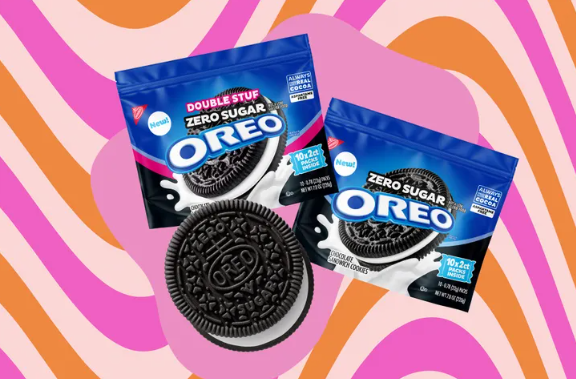
Oreo Zero Sugar arrived in the United States in January 2026 in Original and Double Stuf versions, turning one of America’s most recognizable cookies into a test of modern food formulation. The pitch is simple: familiar cocoa wafers and creme without sugar, sold in two-cookie snack packs. The harder question is whether removing sugar preserves the experience people actually want.
The short verdict is nuanced. Published tasters often found the standard Zero Sugar cookie surprisingly close to a classic Oreo, particularly in its crunchy chocolate wafer. The Double Stuf version tends to expose the substitute-sweetener profile more clearly because there is more creme. Neither product becomes a health food merely because the front says zero sugar, and the price per cookie can be considerably higher.
What Oreo Changed
Oreo did not simply remove granulated sugar and leave an empty space. Sugar affects sweetness, bulk, texture, browning and shelf behavior, so replacing it requires a system. The U.S. Zero Sugar formula uses ingredients including maltitol, polydextrose, sucralose and acesulfame potassium. The combination attempts to recreate both the volume and the sweetness of the original.
The cookies are sold in stand-up bags containing individually wrapped two-cookie packs. That packaging supports portion control and portability, but it also creates more wrapper material than a standard tray. Shoppers should check current package size and local price because retailer promotions and formats can change.
Zero sugar is a regulated nutrient claim, not a synonym for zero carbohydrate, zero calorie or minimally processed. These cookies still contain flour, fat, cocoa and sweetening ingredients. A person managing diabetes should look at total carbohydrate, serving size and individual glucose response rather than treating the words on the front as the entire decision.
The Standard Cookie Gets Closest to the Original
Across early reviews, the strongest part of the standard version is the wafer. It retains the crisp snap and recognizable dark-cocoa character that make an Oreo feel like an Oreo. When the cookie is eaten whole, the wafer can mask some of the differences in the creme.
The sweetness is convincing at first bite for many tasters, but it is not identical. Some report a lighter flavor or a mild cooling, lingering or artificial note after swallowing. Sensitivity to sugar substitutes varies widely; a person who regularly drinks zero-sugar soda may notice less of a gap than someone who dislikes nonnutritive sweeteners.
The standard ratio is important. With less creme than Double Stuf, cocoa and crunch take the lead. That balance makes the substitute sweeteners less conspicuous. For shoppers mainly interested in the classic sandwich-cookie experience, the regular Zero Sugar version is the safer starting point.
Dunking Changes the Comparison
An Oreo is rarely judged only as a dry cookie. Milk softens the wafer, reduces the prominence of the initial crunch and blends cocoa with creme. That can make the zero-sugar version feel closer to the familiar ritual, but it can also leave the sweetener finish more noticeable after the wafer dissolves.
A fair home comparison would use the same beverage, the same dunking time and one cookie of each type. Taste the standard Zero Sugar version before Double Stuf so the larger amount of filling does not dominate the comparison. Water and an unsalted cracker between samples can reset the palate better than moving rapidly from one sweet cookie to the next.
Milk choice changes the experience too. Dairy milk contains lactose, while sweetened plant beverages can add sugar and flavor that blur the test. This does not matter when simply enjoying a snack, but it matters when making a confident claim about which cookie tastes sweeter or more authentic.
Double Stuf Magnifies Both the Appeal and the Weakness
Double Stuf is designed for people who consider the creme the main event. In the zero-sugar format, however, extra filling means more exposure to the part of the formula most likely to taste different. Published reviewers vary, but several describe a more noticeable sweetener finish in the Double Stuf cookie.
Texture can also feel slightly different from the familiar dense sweetness of regular Oreo creme. That does not make it universally unpleasant. Some tasters enjoy the stronger sweetness and generous filling. The point is that the two versions are not merely the same experience at different thicknesses.
If uncertain, begin with the standard version. Buying both full packages for a comparison can turn an experiment into an expensive pantry commitment. The individually wrapped format keeps portions fresh but does not necessarily make sampling cheaper.
How the Nutrition Comparison Should Be Read
The Zero Sugar product eliminates sugar and added sugar and may provide modestly fewer calories per cookie than the classic version. That difference is real, but it should be kept in proportion. It remains a cookie, and the nutritional gap is not equivalent to replacing dessert with fruit, yogurt or a balanced meal.
Serving sizes may differ across packages, so compare per cookie or per equal gram weight. Look at calories, total carbohydrate, saturated fat, sodium and sugar alcohols together. A package that highlights zero sugar can still contribute meaningful carbohydrate and energy when several snack packs are eaten.
For someone deliberately reducing added sugar who still wants an Oreo-like treat, the product can serve a clear purpose. For someone choosing solely for weight loss, the label does not guarantee greater satisfaction or lower total intake. A satisfying portion of the preferred cookie may work better than repeatedly eating an alternative while searching for the original experience.
The Digestive Catch Is Worth Taking Seriously
Maltitol and other sugar alcohols are only partly absorbed. In some people, larger amounts can cause gas, bloating, cramping or a laxative effect. Polydextrose can also contribute gastrointestinal symptoms at higher intakes. Tolerance depends on the person and the amount.
The two-cookie packs make a cautious trial straightforward. Eat one pack rather than several, especially if sugar alcohols are unfamiliar, and notice how the body responds over the following hours. “Zero sugar” should not become permission to consume an unlimited quantity.
People with irritable bowel syndrome may be especially attentive because certain polyols can trigger symptoms. Anyone managing diabetes, gastrointestinal disease or another medical concern should discuss the product with an appropriate clinician or dietitian rather than relying on a general review.
Keep the cookies away from dogs. Some sugar-free products create understandable concern about xylitol, which is highly dangerous to dogs. The listed U.S. Oreo Zero Sugar sweetener system is not the same as a xylitol-sweetened product, but cookies still are not pet food, and formulas can change. Always read the package currently in hand.
Convenience Is Good; Value Is More Complicated
Individually wrapped pairs are useful for lunch bags, travel and people who want a defined stopping point. They also help maintain freshness after the outer bag has been opened. That feature may be more meaningful than a small calorie difference for shoppers who struggle with an open tray.
Value is the weak point. At launch, reported pricing put a relatively small number of Zero Sugar cookies near the price of a much larger standard package. Prices vary, but comparing cost per cookie can reveal a substantial premium. The extra expense buys specialized formulation and portion packaging, not a dramatically upgraded dessert.
For a household that specifically needs or prefers a no-sugar cookie, the premium may be acceptable. For a shopper who eats Oreos occasionally and tolerates sugar, the original may deliver more familiar flavor for less money. A sale or coupon can change the calculation, so compare shelf tags rather than relying on launch prices.
Who Is Most Likely to Enjoy Them?
The strongest candidate is an Oreo fan actively reducing added sugar who already tolerates maltitol and high-intensity sweeteners. The standard version provides the most familiar balance. Portion-pack fans may also appreciate the format regardless of the nutrition claim.
The weakest candidate is someone highly sensitive to sweetener aftertaste, prone to digestive symptoms from sugar alcohols or primarily motivated by getting the lowest price. People expecting a nutritionally transformative snack may also be disappointed.
Parents should evaluate the same factors they would with any treat: ingredients, allergies, portion, total diet and tolerance. “Zero sugar” is not a reason to position the cookies as unlimited or necessary. The product contains wheat and soy according to launch labeling, but shoppers should verify the current allergen statement themselves.
A Better Way to Run Your Own Taste Test
Personal preference is more useful than a reviewer’s score. Chill neither package, serve both at room temperature and remove identifying wrappers if another person can set up the comparison. Judge aroma, wafer crunch, cocoa intensity, creme texture, sweetness and aftertaste separately before naming a favorite.
Then repeat the test after a few minutes. Some sweetener notes emerge late, and the cookie that wins on the first bite may not be the one a person wants to finish. Finally, compare the price per cookie. Taste and value together produce a more useful buying decision than the zero-sugar claim alone.
The Honest Bottom Line
Oreo Zero Sugar is an impressive piece of food engineering. The standard cookie appears to reproduce the crunch and cocoa-forward identity of the classic more successfully than many sugar-free sandwich cookies. It will not fool every palate, and the Double Stuf version is more likely to reveal the substitute-sweetener taste.
The product earns a qualified recommendation for a specific need: satisfying an Oreo craving while avoiding sugar. It does not earn a general health halo. The smart trial is one two-cookie pack, followed by an honest check of taste, digestive comfort and value. If it works, it offers a useful new option. If it does not, “zero sugar” is not a virtue large enough to rescue an expensive cookie a person does not enjoy.
Disclaimer: This article provides general food and nutrition information, not medical advice. Ingredients, allergen statements, nutrition facts, packaging and prices can change. Read the current label and consult a qualified professional for diabetes management, food allergies or gastrointestinal concerns.